
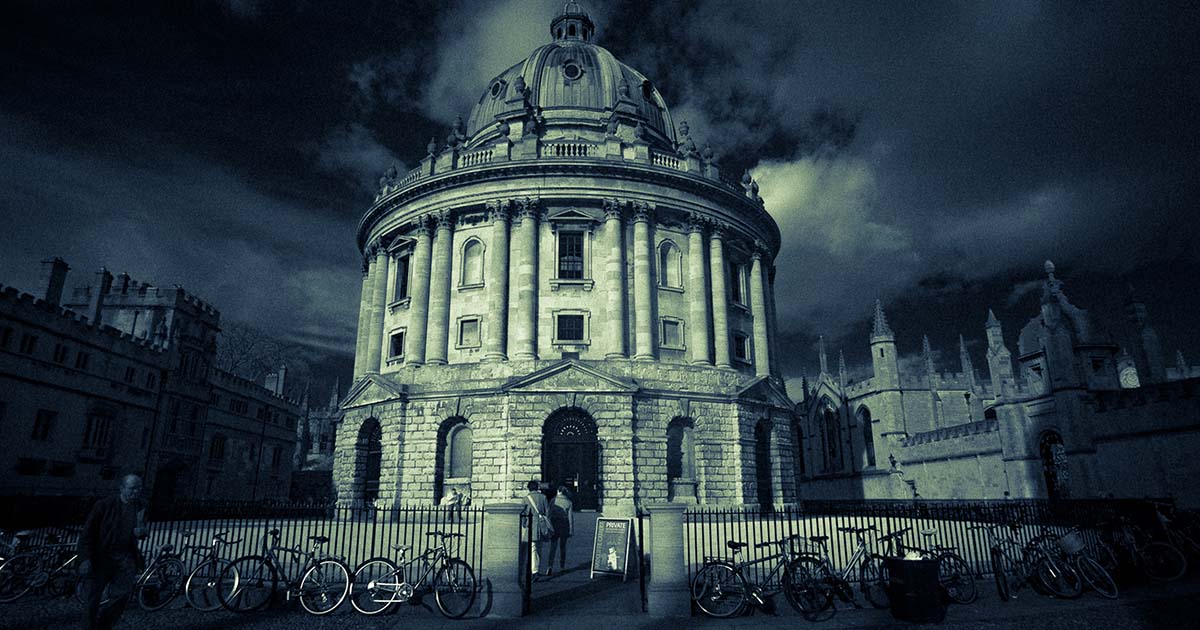
Creativity and art within photography is something that John Credland enjoys to experiment with. With this in mind, John aimed to expand our minds and introduce us to some new techniques with his talk this week.
Creativity And Art Within Photography
John has been involved in photography for more years than we care to mention. Over this time he has completed a Degree in Art History, has taught photography and been a freelance photographer. Photography is John’s life. With his use of different cameras and lens, we were shown the diversity of techniques he employs to be creative. These included In-Camera HDR, Ventosa technique (multiple exposure blending), Zoom and rotating with multiple exposures, colour toning and Infrared photography. Furthermore, John presented his talk through three mediums to allow us to experience his work in greater depth. Initially, he presented to us in Projected Digital Images (P.D.I.).
In-Camera HDR
We first heard that, in one of the many cameras that John owns, he can use an In-Camera HDR setting. He found that the results he generated were particularly effective in Street Photography. This emphasised the juxtaposition in a moment of time.

In-Camera HDR
Ventosa Technique
Next, we heard about another technique by Pep Ventosa, who is a Catalan Photographer, where he creates contemporary impressionist composites. The Pep Ventosa technique is a whole new way of seeing and depicting the flow of time with your camera. Furthermore, we learnt that his technique is all about what you do with the images you’ve taken. It’s about YOUR vision …not about gear or plugins or filters! We heard how this sparked an interest in John, and which made him embrace this technique. He shared some examples of what he was able to achieve using this layering method of multiple exposures. An example of what John was able to create is shown here.
In-Camera HDR
In-Camera HDR
We first heard that, in one of the many cameras that John owns, he can use an In-Camera HDR setting. He found that the results he generated were particularly effective in Street Photography. This emphasised the juxtaposition in a moment of time.
Ventosa Technique
Next, we heard about another technique by Pep Ventosa, who is a Catalan Photographer, where he creates contemporary impressionist composites. The Pep Ventosa technique is a whole new way of seeing and depicting the flow of time with your camera. Furthermore, we learnt that his technique is all about what you do with the images you’ve taken. It’s about YOUR vision …not about gear or plugins or filters! We heard how this sparked an interest in John, and which made him embrace this technique.
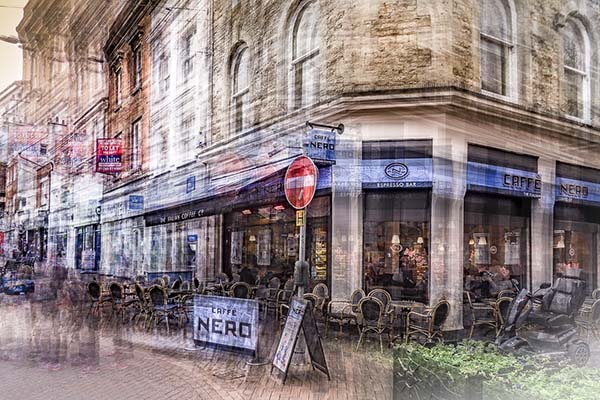
Ventosa Technique
If you would like to try out this technique, have a read of this article by Rosie Nixon. Rosie explains what to do and shows some examples of what she achieved: Pep Ventosa Photography Technique
Rotating and Zooming With Multiple Exposures
Next, we heard how John extended the Pep Ventosa technique further. He experimented with rotating the camera and also zooming it while taking multiple exposures. This provided the feeling of movement and surrealism within the results that he was able to achieve.
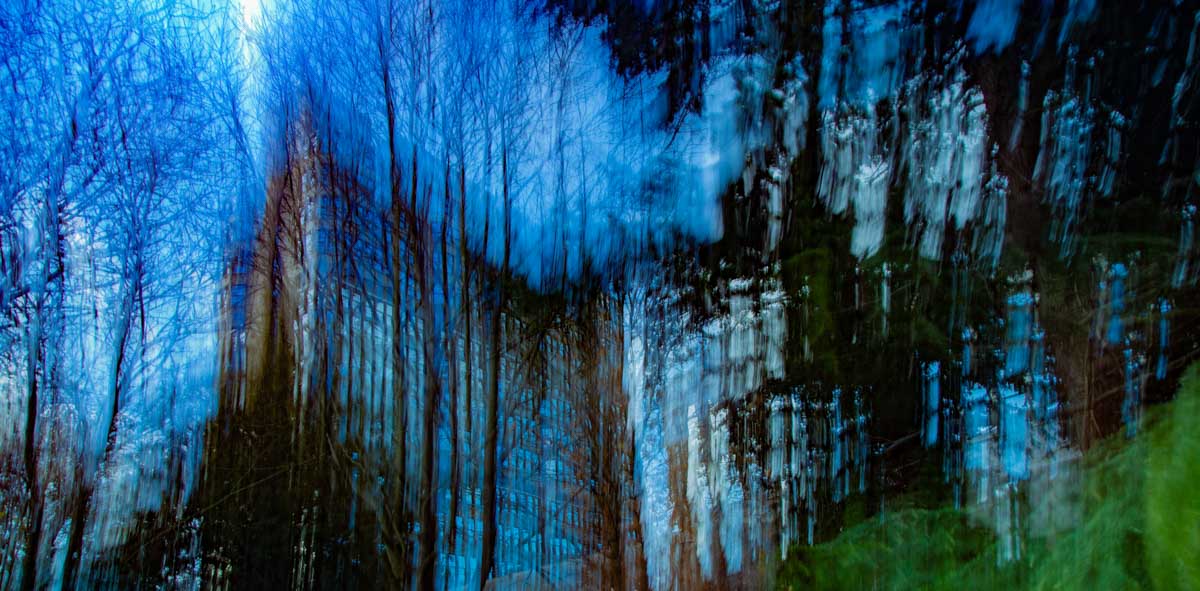
Rotating & Zooming with Multiple Exposures
Colour Toning
Also, another technique that John explained to us was the use of coloured graduated filters in post-production. We heard how we could add this to create an added mood or extra dimension of creativity to a photograph. In addition, we could use this in combination with other techniques to create an added dynamic to a photograph.
He shared some examples of what he was able to achieve using this layering method of multiple exposures. An example of what John was able to create is shown here.
If you would like to try out this technique, have a read of this article by Rosie Nixon. Rosie explains what to do and shows some examples of what she achieved: Pep Ventosa Photography Technique
Rotating and Zooming With Multiple Exposures
Next, we heard how John extended the Pep Ventosa technique further. He experimented with rotating the camera and also zooming it while taking multiple exposures. This provided the feeling of movement and surrealism within the results that he was able to achieve.
Colour Toning
Also, another technique that John explained to us was the use of coloured graduated filters in post-production. We heard how we could add this to create an added mood or extra dimension of creativity to a photograph. In addition, we could use this in combination with other techniques to create an added dynamic to a photograph.
Infrared Photography
Next up, John explained how we could use Infrared photography for a dramatic effect. This is a type of photography where the visible light is blocked from the camera sensor and only allow infrared light is recorded. This can be achieved by either converting the camera or by using a filter that screws into the front of the lens. This can create some very dramatic results when used in bright sunlight as shown here:
Ventosa Technique
Rotating & Zooming with Multiple Exposures

Colour Toning

Infrared with Colour Toning
Colour Toning
Infrared Photography
Next up, John explained how we could use Infrared photography for a dramatic effect. This is a type of photography where the visible light is blocked from the camera sensor and only allow infrared light is recorded. This can be achieved by either converting the camera or by using a filter that screws into the front of the lens. This can create some very dramatic results when used in bright sunlight as shown here:
Infrared with Colour Toning
To learn more about infrared photography, what you need, how to achieve the best results watch this short video by Craig Roberts:
Multiple Mediums
After listening to John’s talk in the first half, at the break, we had the opportunity to see his work up-close, in printed form. Lastly, to finish off the evening, we had John present a number of short audio-visuals. These encompassed some of the techniques we had heard throughout the evening. This all made for a stimulating evening where we had an emphasis on creativity and art within photography.
Finally, to see more of John’s work you can view his members’ gallery here: John Credland.